Every way to use an old iMac as a monitor, compared
Written by the people who make Encore, so we list our own limits first. Every price and requirement links to its source, checked on 1 November 2026.
Encore team · · 7 min read
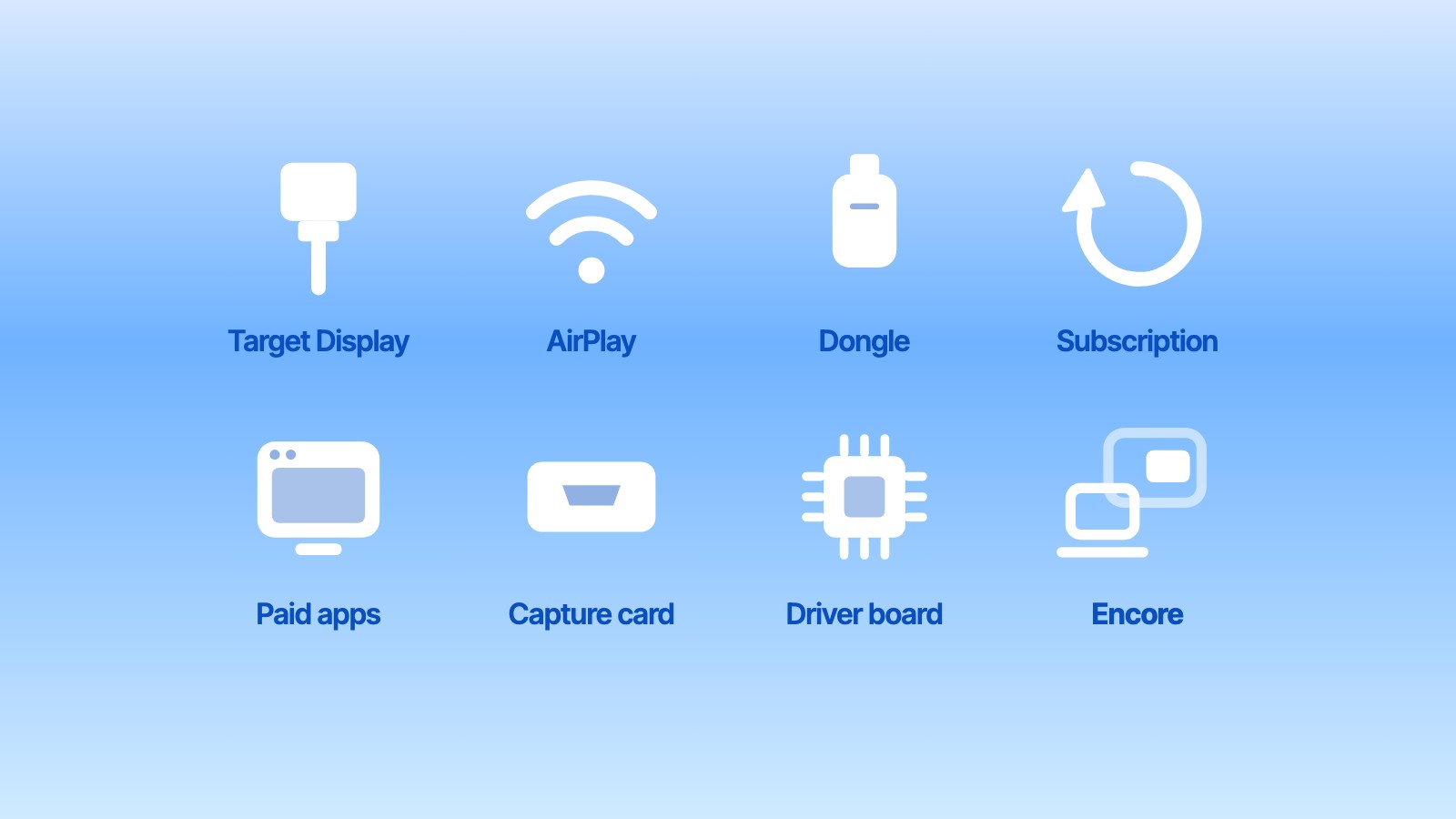
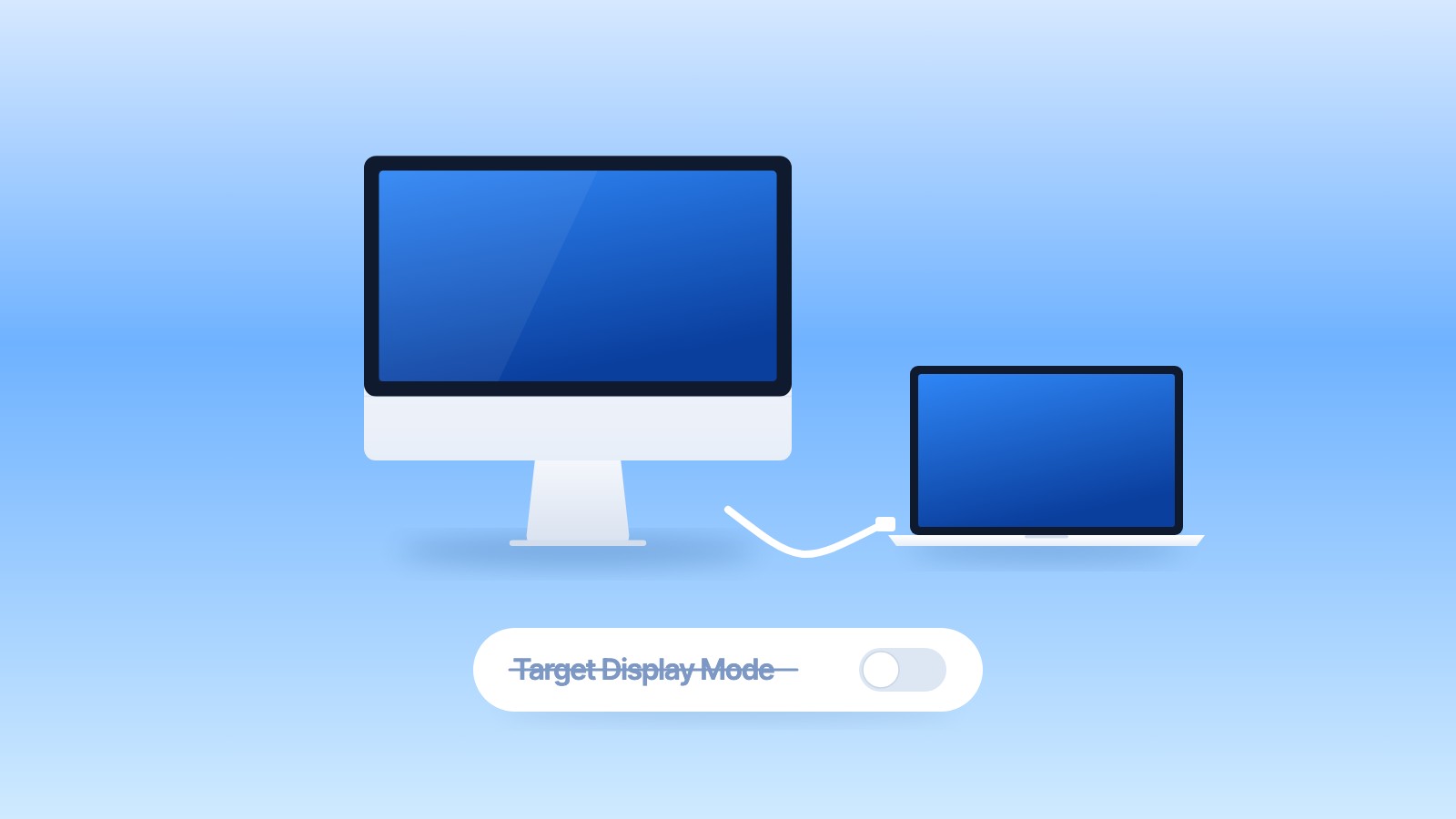
If your main Mac is from 2020 or later, Apple's Target Display Mode is out, so the realistic ways to use an old Intel iMac as a monitor are an app (free Encore, or paid RetinaRelay, MacDisplay, Luna Display or Duet), AirPlay to Mac if the iMac is from 2019 or later, or hardware (a capture card or a display driver board). Which one fits depends on the iMac's year, whether you want native 5K, and what you want to pay.
The quick decision
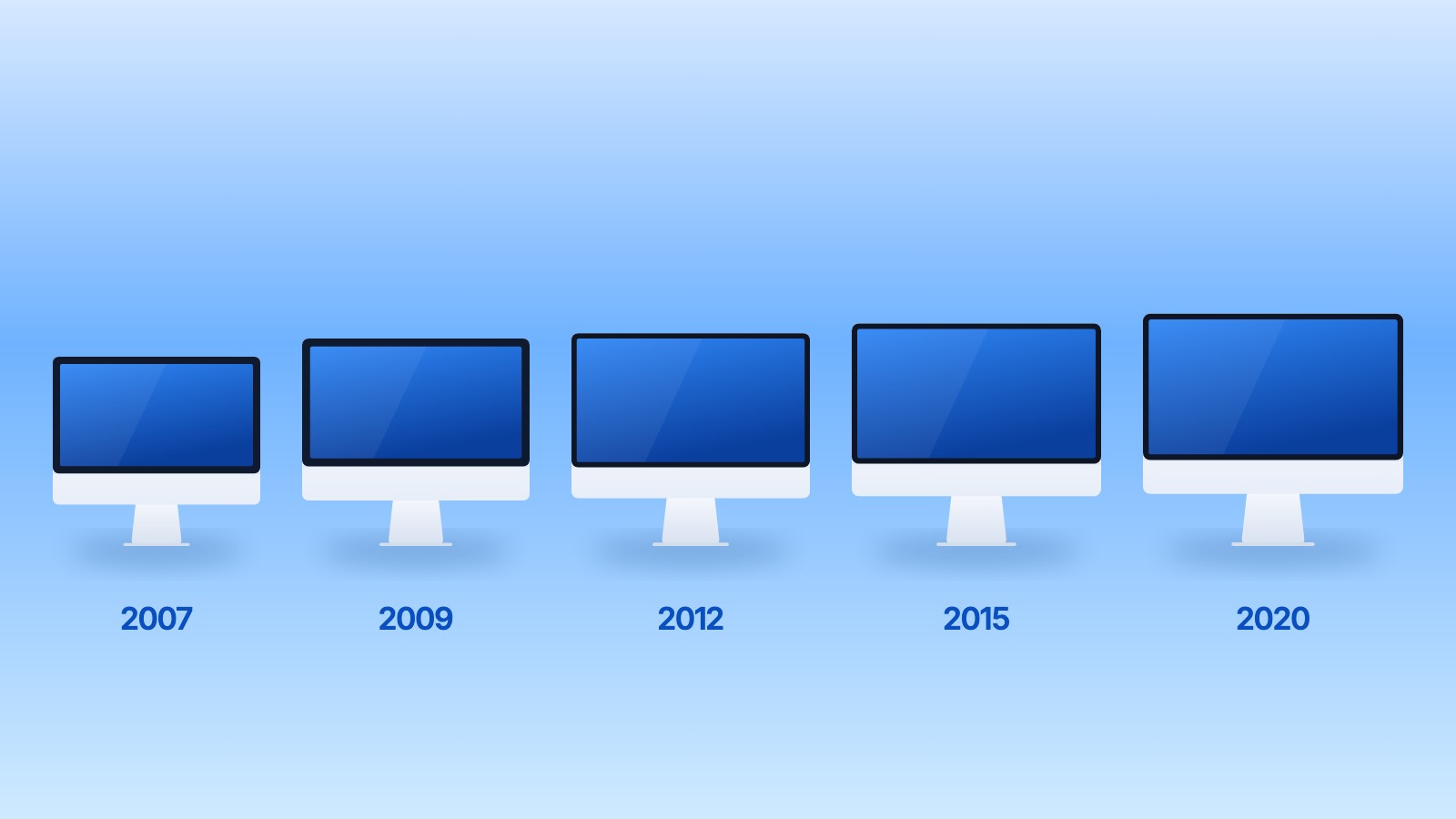
- Your iMac is from 2009 to 2012: Encore (free, Late 2009 and up, 2007 to Early 2009 with the Legacy receiver) or Luna Display (from 2011, with a dongle). The new paid apps start later.
- You have a 27-inch 5K iMac and want native 5K: RetinaRelay or Luna Display claim it. Encore sends Retina iMacs at up to 2560 × 1440 today.
- You want a measured latency figure before you choose: Luna Display and MacDisplay publish numbers from their own tests. Encore has not published one yet.
- Your main computer is a PC, or you also want an iPad: Luna Display or Duet.
- You want it free, with the iMac's keyboard, mouse and speakers working for your Mac: Encore.
- Your iMac is from 2019 or 2020 and you only need it now and then: AirPlay to Mac is built in.
- You never need the iMac as a computer again: a driver board turns a 27-inch 2014–2020 panel into a plain monitor.
The table
Prices and requirements as listed by each maker on 1 November 2026. "Oldest iMac" is the oldest model the maker's own requirements allow.
| Price | Your Mac needs | Oldest iMac | Connection | Picture | iMac keyboard and mouse control your Mac | |
|---|---|---|---|---|---|---|
| Encore | Free during early access | macOS 14 or later | Late 2009 (2007 with Legacy) | Wi‑Fi, Gigabit Ethernet, Thunderbolt | Retina iMacs at up to 2560 × 1440; latency not yet published | Yes |
| Target Display Mode | Free | A Mac from 2019 or earlier, macOS 10.15.8 or earlier | 2009 | Mini DisplayPort or Thunderbolt only | Native panel | No |
| AirPlay to Mac | Free | macOS 12 or later | 2019 | Network | "Slower and less responsive" (MacMost) | No |
| Luna Display | $89.99 dongle (from $59.99 on Astropad's homepage) | macOS 10.13 or later, USB-C port | 2011 | USB, Ethernet, Wi‑Fi, Thunderbolt | Native 5K with the USB-C unit; about 22 ms in the maker's own test | No |
| Duet Air or Pro | $49.99 or $79.99 a year | macOS 10.13 or later | Not stated | Wi‑Fi, Thunderbolt on macOS 12.3 or later | "60 frames per second with zero lag" (maker's claim) | No |
| RetinaRelay | $49 once | macOS 13 or later | Late 2012 | Thunderbolt, USB, Gigabit Ethernet; Wi‑Fi fallback | Native 5K at 60 fps (maker's claim) | Not stated |
| MacDisplay | €29.99 + VAT once; limited free tier | macOS 12.3 or later | 2014 | Thunderbolt 3 or later, Gigabit Ethernet, Wi‑Fi | About 70–80 ms in the maker's own photographed tests | Works the other way: your Mac's keyboard controls the iMac |
| Capture card + app | About $20 card | Any HDMI output | 2019 | HDMI | Capture-card quality | No |
| Driver board | About $265–300 plus the work | Any DisplayPort or HDMI output | 27-inch, 2014 | Cable | Native 5K | No, the computer is removed |
Apple's built-in options
Target Display Mode is the cleanest picture of all, a real monitor over a cable, but it only works with a Mac introduced in 2019 or earlier on macOS Catalina or older, per Apple's support page. We explain the rules in Target Display Mode explained.
AirPlay to Mac needs an iMac from 2019 or later on macOS 12 Monterey or later (TidBITS). It is built in and free. MacMost calls it "slower and less responsive" than a cable for everyday second-screen work.
Sidecar is for an iPad, not a Mac. Universal Control shares a keyboard and mouse between Macs but not a screen, and Apple lists iMacs from 2017 and the 5K Late 2015 (Apple). Screen Sharing mirrors the other Mac rather than extending your desktop.
Apps
Encore is ours. It is free during early access, with no account and no dongle, and it reaches the oldest iMacs: every Intel iMac from Late 2009 to 2020 on macOS 10.13 or later, and 2007 to Early 2009 with Encore Receiver Legacy. It works over Wi‑Fi, Gigabit Ethernet or Thunderbolt. The iMac's own keyboard and mouse can control your Mac, your Mac's sound can play on one or more iMacs at once, and when the iMac isn't a screen it can show a StandBy clock with weather and your calendar.
Where Encore is weaker, plainly:
- No published latency yet. Our figures are design targets until we publish measurements per iMac model.
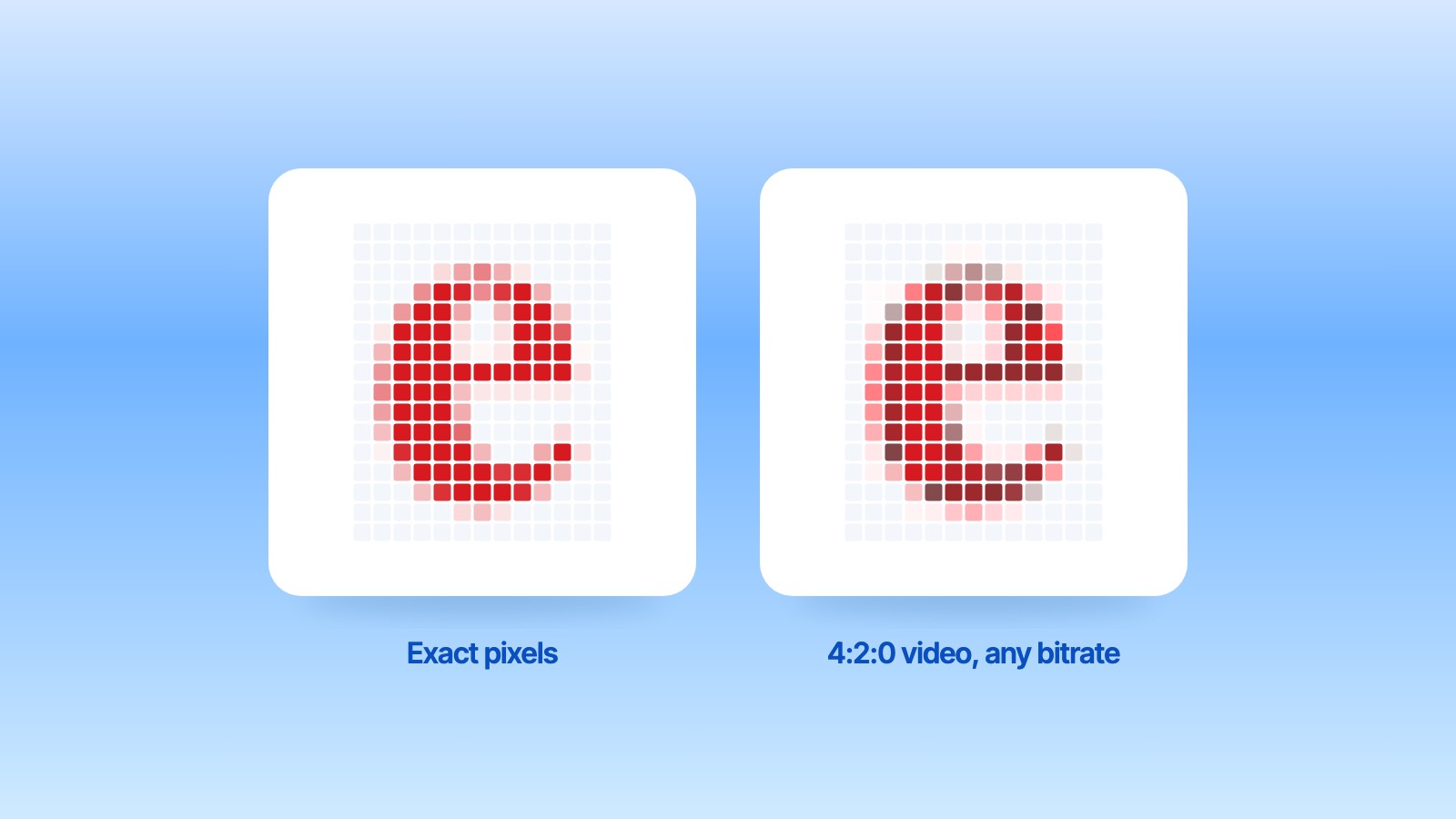
- Retina iMacs are encoded at up to 2560 × 1440, not native 5K.
- It needs macOS 14 or later on your Mac. RetinaRelay accepts 13, MacDisplay 12.3, Luna and Duet 10.13.
- It is not notarized by Apple, so macOS shows a warning once; the install guide shows the clicks.
- It is an early beta, and the picture is still being checked model by model.
Luna Display by Astropad is a small hardware dongle that plugs into your main Mac. Astropad lists it at $89.99, from $59.99, supports iMacs from 2011, and needs macOS 10.13 on both Macs with a USB-C port on the main one (requirements). It can do native 5K with the USB-C unit, works with PC hosts too, and Astropad published a latency test of about 22 ms. Pick it if you want native 5K on a 2011-or-later iMac and don't mind the dongle.
Duet sells subscriptions: Air at $49.99 a year and Pro at $79.99 a year (App Store prices). It has a page for exactly this job and also covers iPads, Android and PCs. Thunderbolt needs macOS 12.3 or later on both Macs.
RetinaRelay launched in October 2026: $49 once, one host Mac and unlimited iMacs, a 7-day trial. The host needs macOS 13 or later and the iMac must be Late 2012 or later on macOS 10.15 or later. It is built for cables and claims native 5K at 60 fps. MacGeneration covered it. Pick it if you have a 5K iMac and a cable, and want native resolution.
MacDisplay costs €29.99 plus VAT, once, for three Macs, with a free tier limited to 10-minute sessions and 60 minutes a day. The receiving iMac needs macOS 11 or later, which means 2014 or later. It is notarized, and its own photographed Ethernet tests show about 70–80 ms.
Two more exist: Yam Air Desk ($7.99 after a trial, receiving Mac on macOS 10.15 or later) and Spantop, which needs macOS 14 on Apple silicon and so doesn't run on an Intel iMac.
Hardware
A capture card (about $20) with an HDMI viewer app turns the iMac into a window onto any HDMI source, but the iMac needs macOS 14 or later, so in practice a 2019 or 2020 model (9to5Mac).
A display driver board replaces the computer inside a 27-inch 2014–2020 iMac so the panel becomes a plain 5K monitor. Kits cost about $265–300, and the iMac stops being a computer: no macOS, no camera, no speakers.
Keeping the iMac's own system alive
OpenCore Legacy Patcher installs newer macOS versions on unsupported Macs, which can bring AirPlay to Mac to a 2012–2015 iMac. It works for many people, but it patches the operating system and comes with model-specific limits.
How we keep this fair
We list where others are better, link every number to its source, and date the prices. If something here is wrong or out of date, tell us and we will fix it. To check your own model first, see the year-by-year guide or the compatibility page.
What is the best free way to use an old iMac as a second screen?
For an Intel iMac and a Mac on macOS 14 or later, Encore is free during early access and works over Wi‑Fi or a cable. If the iMac is from 2019 or later, AirPlay to Mac is also free and built in.
Which option gives native 5K on a 5K iMac?
RetinaRelay and Luna Display (with its USB-C unit) claim native 5K. Encore sends Retina iMacs at up to 2560 × 1440. A display driver board gives native 5K too, but removes the computer.
Which option works with the oldest iMacs?
Encore covers Late 2009 to 2020 with its regular receiver and 2007 to Early 2009 with Encore Receiver Legacy. Luna Display starts at 2011, RetinaRelay at Late 2012 and MacDisplay at 2014.
Do I need a dongle?
Only for Luna Display. Encore, RetinaRelay, MacDisplay and Duet are software only.
Which is fastest?
Only some makers publish their own measurements: Astropad reports about 22 ms for Luna Display and MacDisplay about 70–80 ms in its own tests. Encore has not published a measurement yet. None of these were measured independently.